文章详情
以下为资讯详情页模板:正文区域由后台内容渲染,图片与正文将自动替换为对应文章内容。

官方回应无锡低压电工证补贴:工地太忙没时间?这3步搞定钱
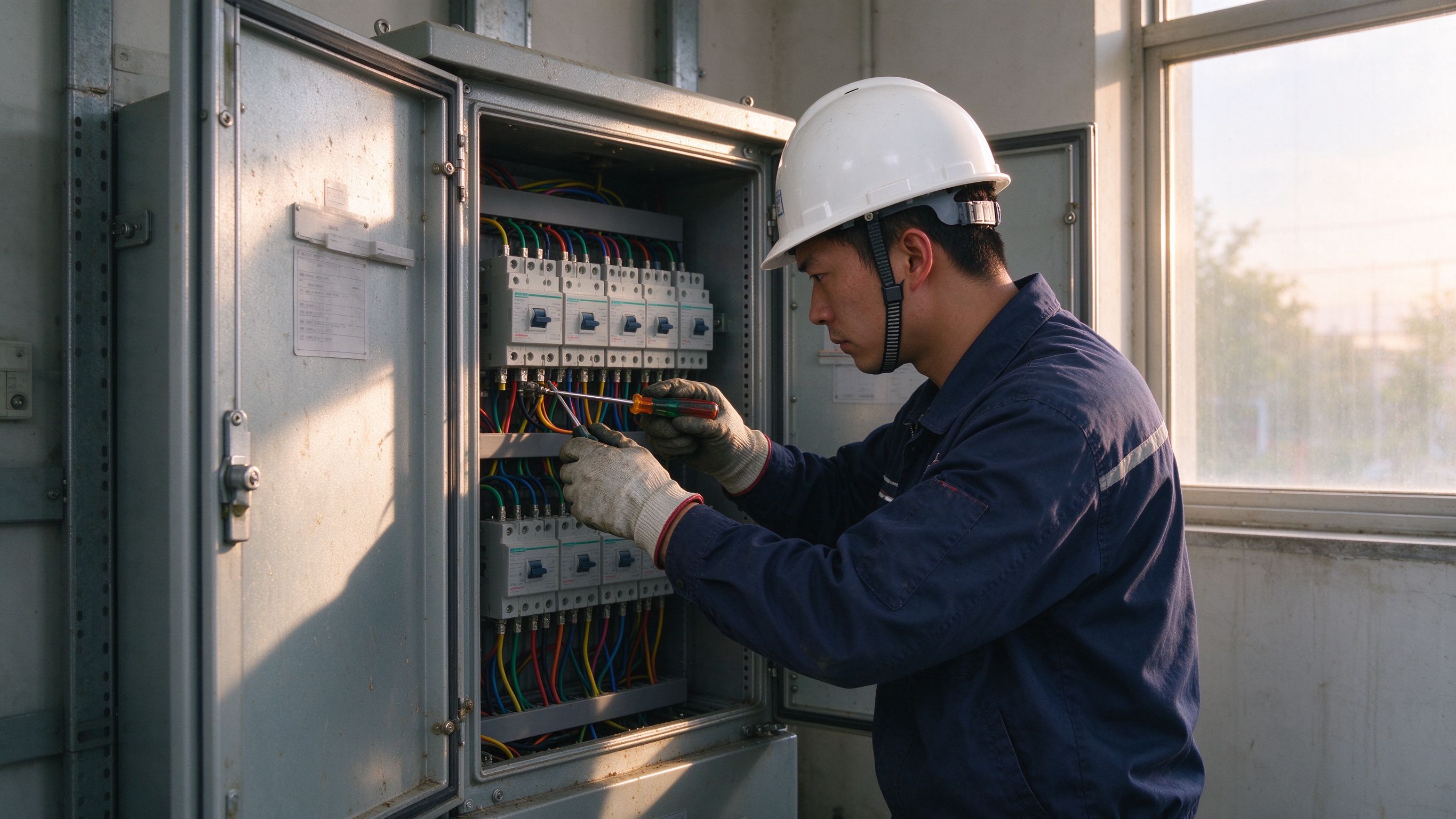
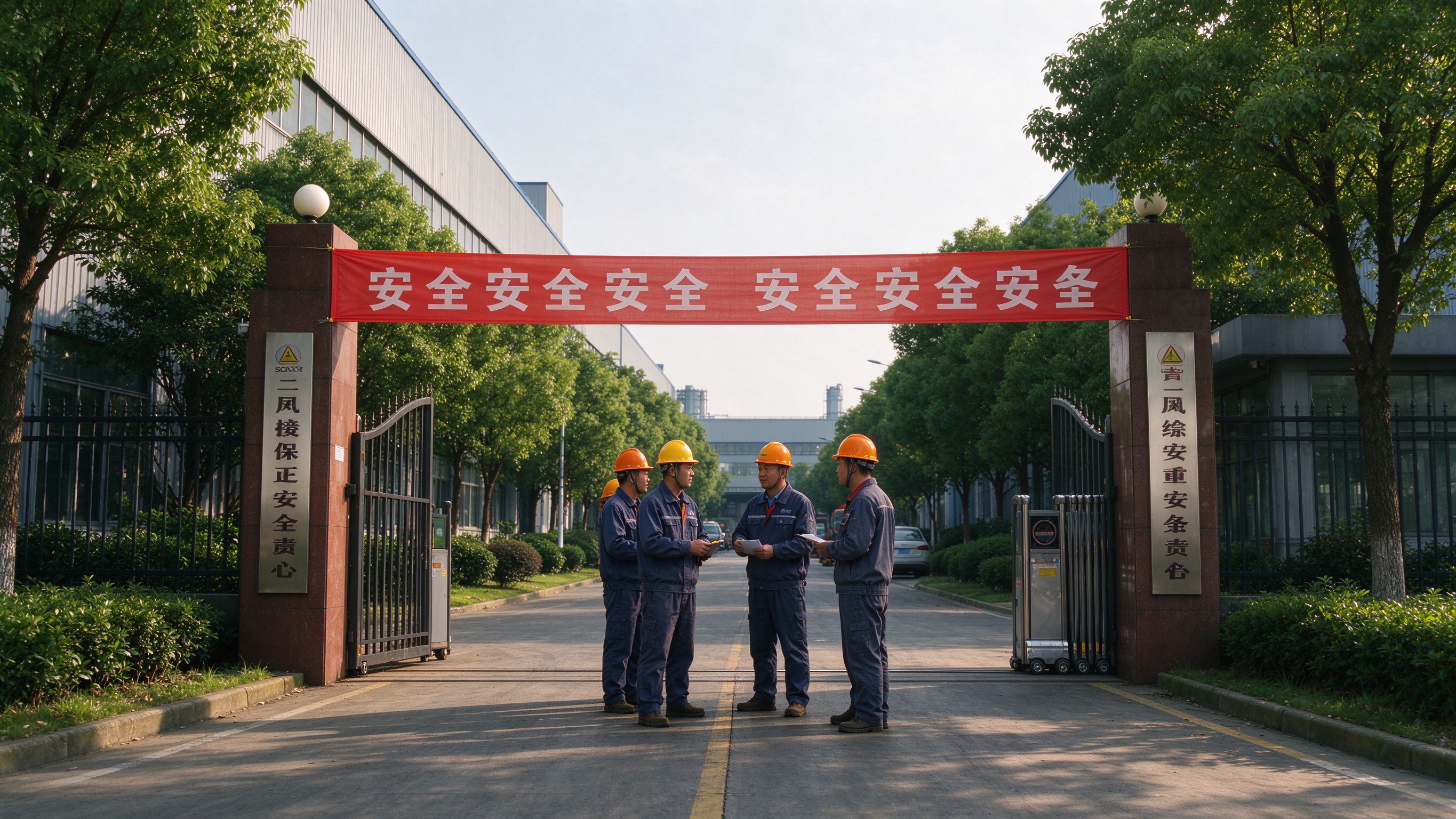
在工地上摸爬滚打,谁没经历过那种“脑子要炸”的时刻?白天搬砖拧螺丝,晚上累得连手机都拿不稳,想复习备考简直比登天还难。很多兄弟问我,无锡低压电工证补贴到底怎么拿,是不是考完证就自动到账?这里必须把话说明白:官方回应得很清楚,补贴不是发钱,而是“以考代补”后的技能提升补贴,但前提是你得把证考下来,还得满足社保条件。
对于咱们这些没时间复习的打工人,或者刚毕业想找份稳定工作的应届生来说,搞清楚这里的门道,比盲目死磕更重要。特别是像济源这类地区,很多应届工程类毕业生面临同样的困境:学校教理论,工地要实操,中间隔着巨大的鸿沟。今天咱们就抛开那些虚头巴脑的理论,直接聊点实在的:怎么在没时间的情况下拿下证书,怎么确保补贴不白考,以及如果证丢了或者报名材料没齐怎么办。
1. 2024年无锡低压电工证补贴到底发多少?官方口径是什么?
很多兄弟盯着钱看,这很正常。根据江苏省及无锡市人社局与应急管理局的最新执行标准,初级工(五级)的补贴通常是1000元,中级工(四级)是1500元,高级工(三级)是2000元。但注意,这是针对失业保险参保人员的技能提升补贴。
官方回应中反复强调的一点是:低压电工证属于特种作业操作证,它和职业资格证(如电工职业技能等级证)在补贴路径上有细微差别。特种作业操作证主要侧重“准入资格”,即“能不能干”;而职业技能等级证侧重“干得好不好”,即“水平高低”。但在实际落地中,无锡地区对于取得低压电工作业操作证且符合社保缴纳时长要求的职工,通常可以通过“技能提升补贴”渠道申领。具体金额需以无锡当地人社部门当年发布的《技能提升补贴目录》为准,建议直接登录“江苏智慧人社”APP查询最新目录,因为政策会随年度预算调整。
2. 工地太忙根本没时间复习考试,怎么高效备考?
这是最扎心的痛点。我见过太多兄弟,报名了三次,考了三次,全挂在理论题上。原因很简单:没系统复习,只靠运气。针对“没时间”这个死结,我的建议是碎片化学习+重点突破。
特种作业理论考试全是选择题,共100道题,80分及格。你不需要把整本教材背下来,只需要搞定高频错题。现在的手机APP(如安博士、特种作业题库)都有“每日一练”和“错题集”功能。利用工地午休、吃饭排队、等活儿的零碎时间,每天刷30道题,坚持一个月,通过率极高。
关键策略:
- 前20天:每天30道随机题,建立题库印象。
- 中间10天:只刷错题,针对薄弱环节(如安全用电、触电急救)进行专项攻克。
- 最后5天:全真模拟,适应考试节奏,重点看实操评分标准。
记住,电工证考试不是选拔天才,而是筛选“合格工人”。只要你认真刷够2000-3000道题,理论几乎稳过。
3. 济源应届工程类毕业生报考低压电工证,有哪些特殊优势?
很多从济源等周边城市来无锡发展的应届生,容易忽略地域政策差异。虽然特种作业操作证是全国通用的(由应急管理部监管),但在报考流程和本地化服务上,各地安监部门有细微的执行标准。
以河南省安全生产监督管理局(现职能整合至河南省应急管理厅)为例,对于应届工程类毕业生,部分地区在报名时允许使用“学信网学历认证报告”代替毕业证原件(如果毕业证尚未下发),或者允许先报名后补交相关材料。在无锡报考,虽然遵循江苏省标准,但考虑到异地报考的便利性,建议提前通过“江苏省政务服务网”或无锡应急管理局官网查询最新办事指南。
对于应届生,还有一个隐形优势:学习能力强,理论考试通过率高。你们的短板通常在实操。实操考试主要考“接线”、“识图”和“触电急救(心肺复苏)”。建议在报名前,找当地正规的培训机构(必须是应急管理局公示的定点机构)进行1-2天的实操预演。很多机构提供“包教包会”服务,对于应届生来说,这比自学效率高十倍。
4. 低压电工证丢了怎么办?补办流程和所需材料清单
证丢了别慌,这很常见。特种作业操作证现在已经是“IC卡+电子证书”双轨制。如果你手里有电子证书(可通过“应急管理部特种作业操作证及安全生产知识和管理能力考核合格证信息查询平台”下载),在某些场景下(如工厂内部查验)是可以暂时使用的,但补办纸质IC卡才是长久之计。
补办流程(2024年最新):
- 登录系统:进入应急管理部官网或当地应急管理局政务服务页面。
- 申请补办:选择“证件补办”,填写个人信息、原证号(如果记得)、丢失原因。
- 上传材料:
- 身份证正反面扫描件。
- 近期免冠白底照片(电子版,符合制证要求)。
- 原证件丢失证明(部分地区需要,或签署承诺书即可)。
- 审核制证:审核通过后,选择邮寄或自取。
注意:补办期间,原证号失效,新证会保留原有效期。如果临近复审期(6年一审,2年一审视情况而定),务必在到期前3个月申请补办或复审,避免证件过期作废。
5. 报名低压电工证需要哪些材料?避坑指南来了
报名环节最容易出问题,很多兄弟因为材料不齐白跑一趟。以下是标准报名材料清单,建议截图保存:
- 身份证明:身份证原件及复印件(异地报考需居住证或社保缴纳证明,无锡通常要求本地社保或居住证)。
- 学历证明:初中及以上学历毕业证复印件(特种作业要求初中及以上)。
- 体检表:县级以上医院出具的体检证明,重点查视力(矫正视力不低于0.8)、辨色力、无妨碍从事特种作业的疾病和生理缺陷。
- 照片:近期1寸白底免冠照片(电子版+纸质版,具体尺寸以报名点要求为准)。
- 无犯罪记录证明:部分严格地区要求提供,建议提前通过“苏证通”APP开具。
避坑要点:
- 体检表有效期:通常为3个月,别提前太早开。
- 照片一致性:报名照片、考试照片、制证照片最好统一,避免制证时人脸比对失败。
- 社保状态:如果申请补贴,确保报名前6个月内社保连续缴纳,且状态为“正常”。
6. 考完证后,如何确保顺利拿到无锡低压电工证补贴?
考过证只是第一步,拿钱才是硬道理。这里有个时间差陷阱。
申领流程:
- 等待公示:考试通过后,成绩和证书信息会在应急管理部平台公示。
- 单位申报:技能提升补贴通常由用人单位统一向人社部门申报。个人一般不能直接申领(除非是自主择业人员,但政策较严)。
- 时间节点:证书核发之日起12个月内申领。
关键动作:
- 主动提醒HR:很多工厂HR不清楚这项福利,或者嫌麻烦不申报。你必须主动告诉HR:“我拿了低压电工证,申请技能提升补贴,需要公司盖章申报。”
- 确认工种匹配:确保你的劳动合同岗位与“电工”相关。如果是纯管理岗或销售岗,可能会因为“岗位不匹配”被驳回。
- 查询进度:在“江苏智慧人社”APP中,关注“技能提升补贴”申请进度,确保没有卡在某个环节。
如果HR推诿,可以拿出官方回应的政策文件(江苏省人社厅关于实施职业技能提升行动的通知)进行沟通。这是国家鼓励的技能提升政策,不是公司福利,公司只是代办方。
7. 低压电工证复审和继续教育,怎么安排才不误工?
低压电工证有效期6年,每3年复审一次。很多兄弟忽略复审,导致证书过期。
复审要求:
- 时间:有效期满前6个月内申请。
- 内容:参加规定学时的安全培训(通常不少于8-16学时),并通过理论考试(通常较简单,70分及格)。
- 继续教育:部分地区要求提供累计参加安全生产教育和培训的时间记录。
建议:
- 提前规划:在复审期前3个月,就联系培训机构报名。
- 线上+线下:现在大部分地区支持线上理论培训,线下只需参加半天实操考核或集中理论考试。
- 结合工作:如果工厂有内部安全培训,尽量保留签到表和培训记录,作为继续教育的佐证材料。
特别提示:如果连续两次复审未通过,或者逾期未复审,证书将自动注销,必须重新报名考试。对于在职电工,重新考试意味着停岗,损失巨大。
8. 为什么建议济源应届生优先考低压电工证?行业前景分析
最后聊聊前景。对于济源应届工程类毕业生,或者在无锡打拼的年轻人,低压电工证是入行门槛,也是晋升阶梯。
- 就业面广:无论是制造业工厂、建筑工地,还是物业维护,都需要持证电工。无锡作为制造业重镇,对持证电工的需求量极大。
- 薪资溢价:持证电工的起薪通常比普工高出30%-50%。随着经验积累,高级电工、电气工程师的薪资空间巨大。
- 职业稳定性:技术工种越老越吃香。不像纯体力活,35岁后竞争力下降。电工凭借技术壁垒,职业寿命长。
给应届生的建议:
- 考证+实习同步:在校或刚毕业时,先考取低压电工证,增加简历含金量。
- 关注高压电工:低压是基础,未来如果想进入电力公司或大型国企,高压电工证是必经之路。
- 利用地域差异:利用在无锡积累的经验和技术,未来回乡发展(如济源)时,你的证书和技能同样通用,且竞争可能相对较小。
你打算先考哪个工种的证?评论区聊聊,咱们互相交流避坑经验,毕竟多一个证,多一条路。